The starting point of this project was a documentary image: an African boy crouching by a puddle to fetch water. It was an ordinary photo, yet it revealed an undeniable reality. When the “human” in “design for humans” is not a user in a consumer context but a child facing survival challenges, what can design do? The Aquacendo LightUp Filtered Bottle was born from this very question.
We reached a consensus early on: this is a project that serves reality, its significance lies not in formal innovation but in whether it genuinely improves the users’ daily lives. During six months of development, we tested various filtration materials and structures—hollow fiber, activated carbon, built-in filter cores, and glowing modules—to find a balance between performance, cost, and maintainability. The light source posed a challenge; flashlight-style beams and projection lamps were ruled out until we adopted a counterintuitive solution: directing the light inward, using the water in the bottle to diffuse a uniform, soft glow. This not only enhanced practicality but also imbued the design with an inherent logical consistency.

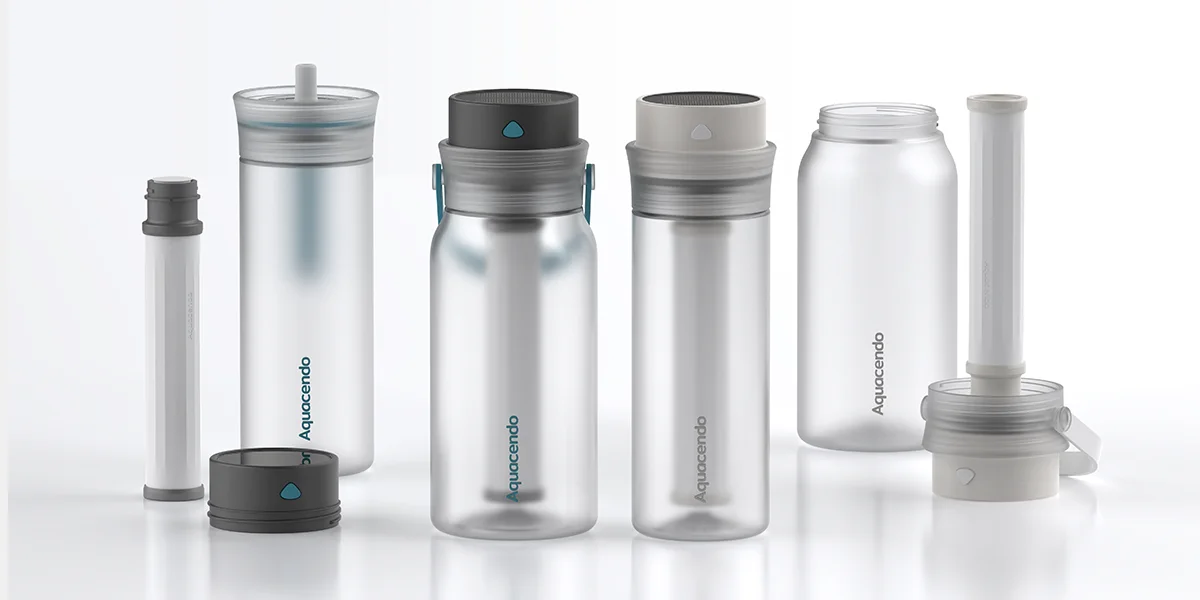
Throughout the process, we constantly reminded ourselves that this wasn’t a design to express ideals but a tool to serve reality. How should the filter component be assembled? How can the bottle withstand drops? How do we balance soft lighting with battery life? These questions shaped the design’s most authentic experience. In December 2024, the first batch of filtration cups was delivered to Burkina Faso, where children used them to drink, light their surroundings, and study. At that moment, we were even more certain that this was a project worth pursuing.
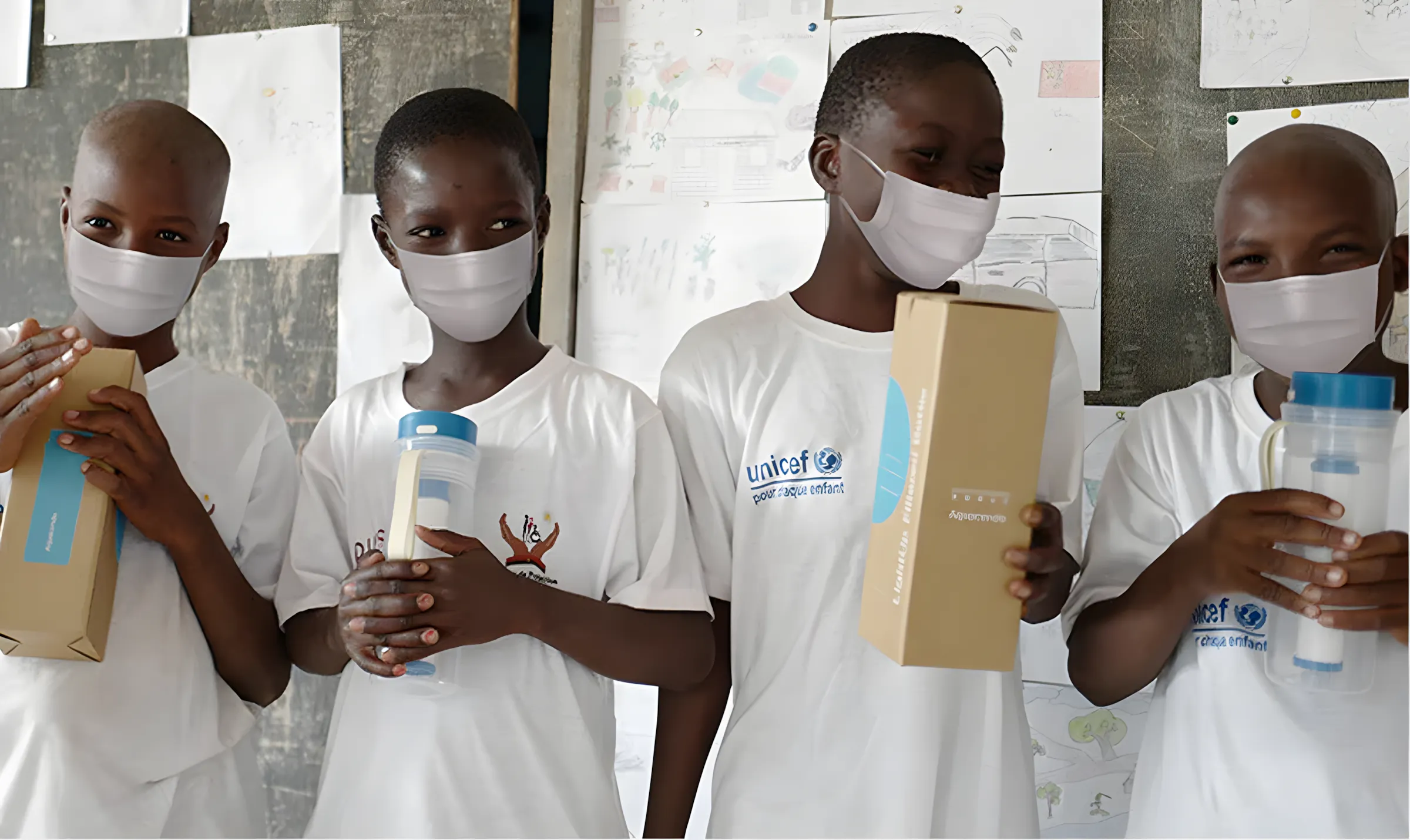
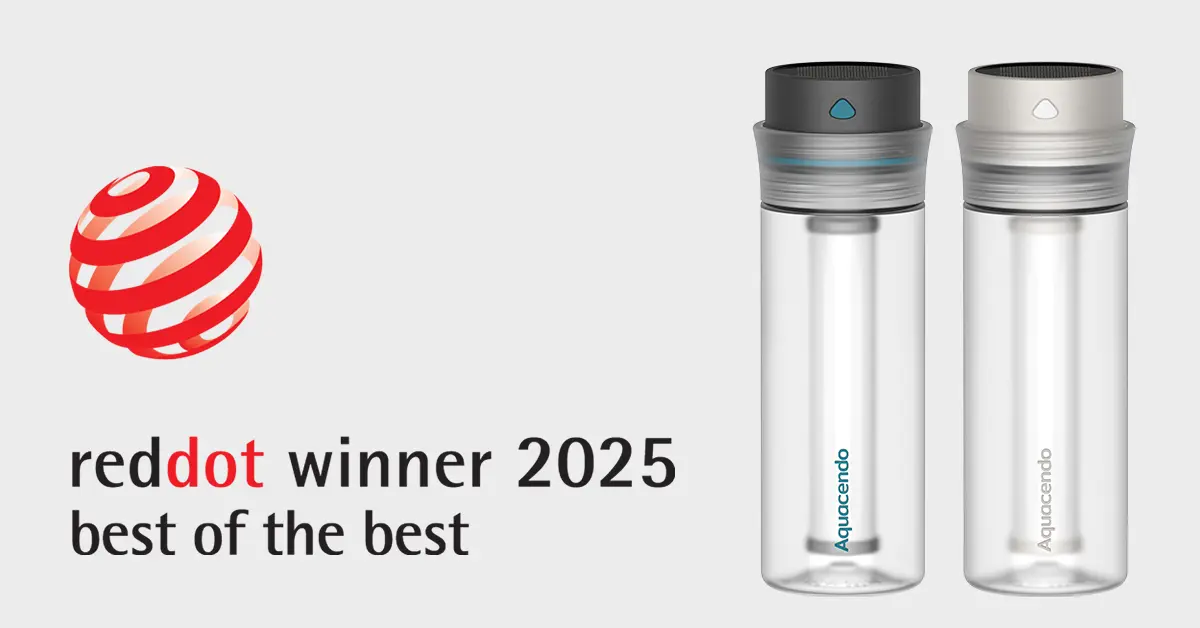
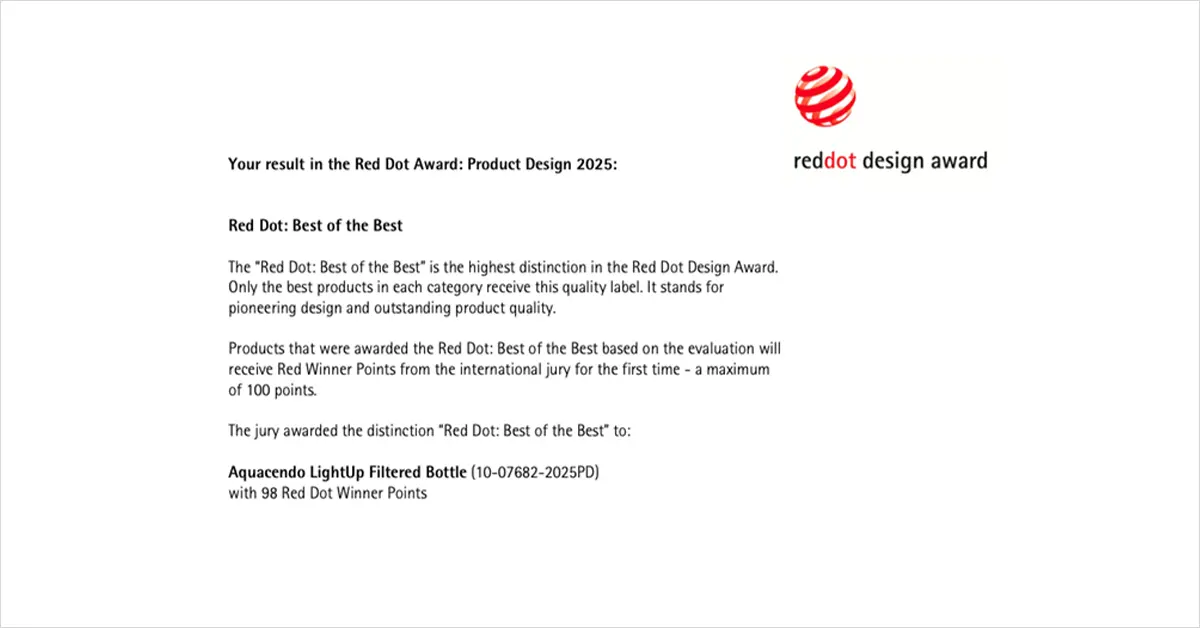
For us, the value of design lies in whether it truly integrates into lives and solves problems. Aquacendo is a responsibility-driven endeavor; it lacks striking aesthetics but performs in the most critical scenarios. Months after the project’s implementation, it received the Red Dot: Best of the Best award. This accolade affirms the outcome and acknowledges our nearly two years of effort and perseverance. This joy belongs not only to the team but also to the children who use it to illuminate their nights.